In the real world, not everything goes to plan. Accidents can happen, despite our best efforts, and sometimes for reasons you might never expect.
Researchers, manufacturers and insurers like Liberty Insurance have spent decades studying how we drive and all those findings make for interesting reading. Let’s look at five surprising facts about car safety in the modern world.
1. Colour Matters
Can you guess what colour is the most common choice for new cars in Ireland? No, it’s not sleek black, or racy red, but humble grey. It’s easy to see why: a dark grey colour is probably easier to keep clean and might hide the odd scuff or scrape. It’s also not what the neighbours might call ‘flashy’.
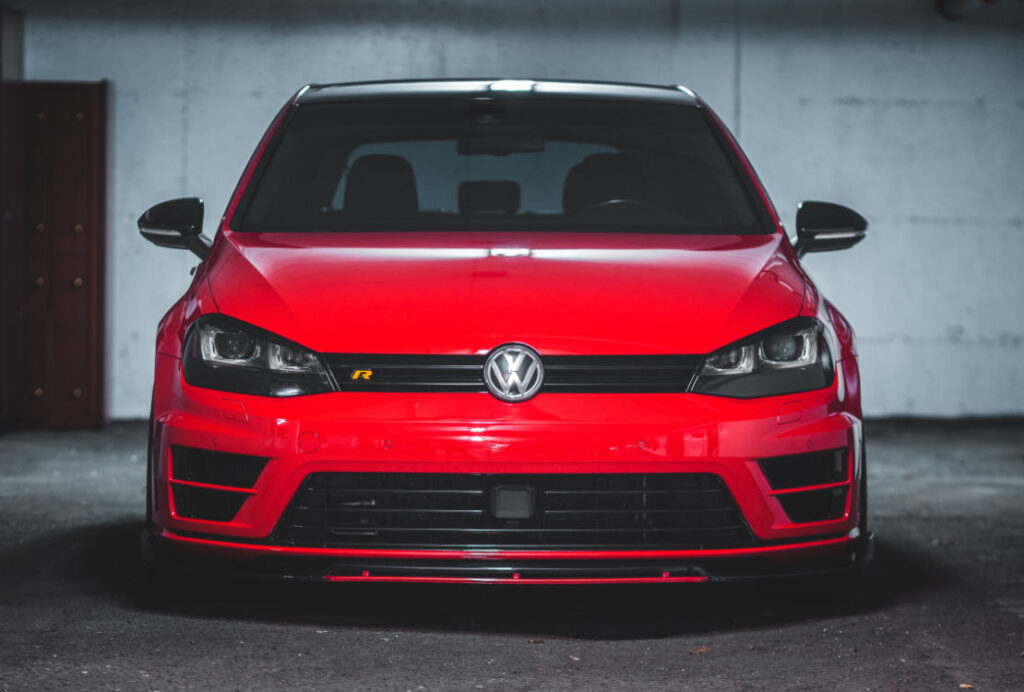
But if safety is on your mind, studies have shown over the years that white is probably the best choice, despite the ongoing muck-related challenges of living in Ireland. According to research carried out by Monash University, white cars are 12 percent less likely to get into an accident than black cars are, regardless of the time of day. In the past, green cars were often considered unlucky, perhaps for good reason: the same study found that darker colours were associated with a higher crash risk, including black, blue, red, and – yes, your granny was right – green.
2. Bigger Isn’t Always Better

When it comes to choosing a safe car, many people are drawn towards SUVs which are amongst the biggest vehicles on the road. The logic is that with more metal around us, we’ll be safer in the event of an impact. That is generally true, but it doesn’t give us the whole picture: every car is different, and some of the larger, heavier vehicles could be more subject to rolling or toppling in unstable environments.
Of course, we should remember the safety of those we share our roads with, including pedestrians and cyclists, who may be in more danger if they come in contact with a larger car. If you’re unsure, it’s best to check The European New Car Assessment Programme (NCAAP) rating of your chosen make and model before signing on the dotted line.
3. Choose Your Seat Carefully
It’s imperative that all drivers follow manufacturer’s guidelines about the positioning of car seats, and ensure all passengers, young and old, are safely belted or buckled into the car. In the past, the back seat was considered the safest position for adults in a car, but that’s said to be changing now, as technology advancements have made some front seat belts safer, and less likely to cause injury.
As a result, the National Highway Traffic Safety Administration in the USA has recommended that people aged 55 and older should sit in the front of newer vehicles with those more sophisticated belts. Again, that depends entirely on your choice of make and model, though, so make sure you check the manufacturer’s documentation for the best and most up-to-date advice.
4. Tuesday In The Safest Day To Drive
It probably won’t come as a big surprise to learn that statistically, car accidents appear to happen most often at the weekend, and particularly on Saturdays. This makes sense because people will likely travel longer distances, potentially at night, and perhaps involving illegal practices such as driving under the influence of alcohol.
Conversely, USA Today reports that in reviewing data from the National Highway Traffic Safety Administration, Tuesdays are the safest day to drive. Interestingly, the afternoon rush hour seems to be more dangerous than the morning commute too, so it’s worth remembering to drive extra carefully when heading home after a long day.
5. Most Accidents Involve Other Vehicles

According to a 2019 report from the Central Statistics Office, over two-thirds of accidents in Ireland involved other cars. 10.9% involved a car with a van or lorry, while no other vehicle was involved in 7.2% of main incidents in the previous 12 months.
This means that we have a responsibility not just to drive carefully, but also ensure we reduce speed and increase the space between our car and other traffic to allow for the unexpected to happen. This is especially true in situations of bad weather when slippery road surfaces can drastically shorten our braking distances.
Liberty Insurance Ireland is part of a group that has been serving customers for more than 100 years. Liberty Insurance is ready to help you deal with the unexpected with great value. Get in touch to find a quote and learn more about car insurance in Ireland.
This article has been written and provided by Liberty Insurance. #ad