With the busy tourist hotspot of Benidorm and all its British pubs, nightclubs and crowded beaches just to the north of Alicante airport, you won’t believe what you’ll encounter if you drive just an hour south instead. Here you’ll find the Region of Murcia lying on the southeastern coast of Spain and stretching inland over fertile plains of citrus orchards, olive groves and vineyards.
So if you want an authentic taste of Spain without the hoards of fellow British tourists then rent a car at Alicante and head south. Whether you are looking for a relaxing getaway in the sun, history and culture or something more active such as hiking or mountain biking then Murcia is the place for you.
Valle de Ricote And Archena

The Valle de Ricote is a lush fertile valley of citrus groves with irrigation systems dating back from Moorish times. Little Spanish villages and towns are dotted throughout the area including the old town of Archena at the lower end of the valley. The town was founded by the Romans although it can trace its history back to the Bronze Age. Archena is famous for its warm natural springs which continue to attract visitors to this day.
Balneario de Archena
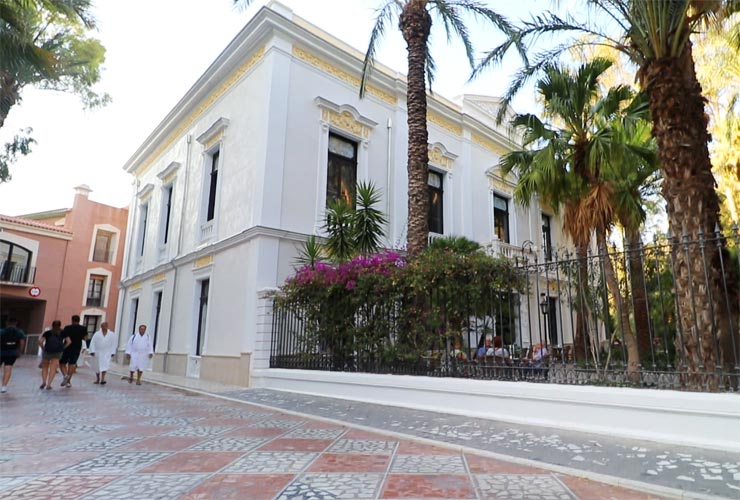
The Balneario de Archena is a 200,000 m² spa complex which contains three hotels, thermal pools, treatment rooms, saunas and of course a pool filled with lemons. There is even an igloo if you want to get away from the warm Spanish sunshine and fancy being frozen for 20 minutes.
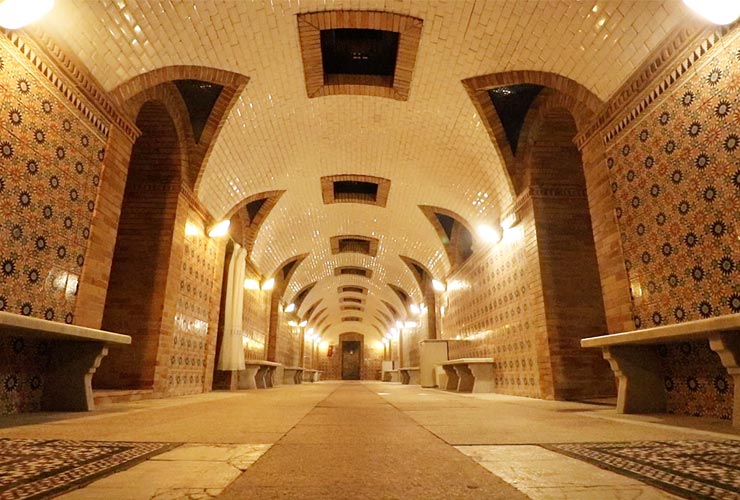
As well as the modern spa complex The Hotel Terma has beautiful 19th-century thermal baths and galleries and in the lower levels, you can still find evidence of the spa’s Roman past dating from the 1st and 2nd centuries.
The City Of Murcia
Murcia was originally founded in 831 by Abd-Al-Rahman II and there are still Moorish elements visible around the city. However, the overall feel of the city is quintessentially Spanish with elegant plazas and baroque style churches and cathedral.
Cathedral de Murcia
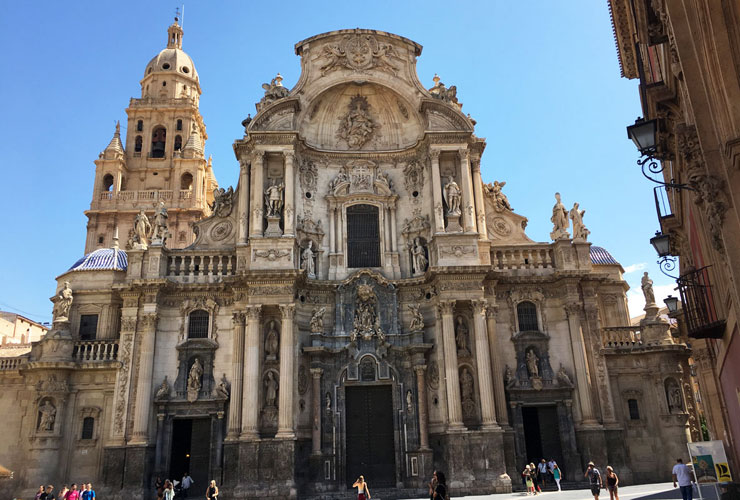
Whether you are religious or not you can only be impressed by the ornate baroque facade of Murcia Cathedral or to give it its full name, the Cathedral Church of Saint Mary in Murcia. Just like the city itself, the cathedral is actually a mix of styles ranging from the gothic interior and 15th-century doorways to its 300-foot tall bell tower.
Real Casino de Murcia
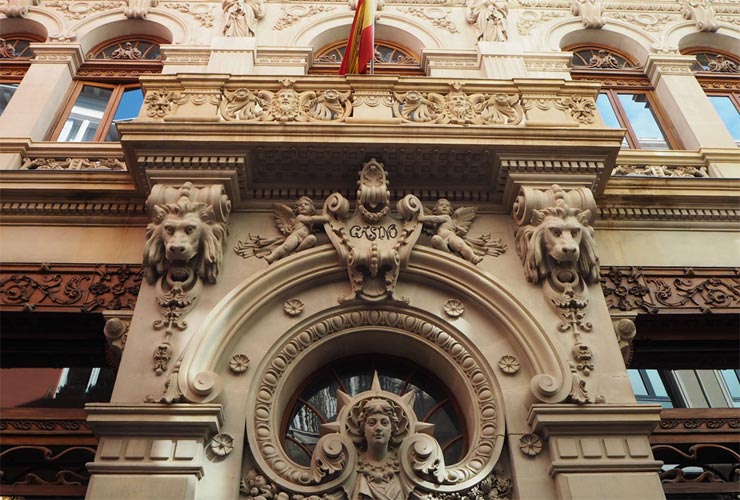
Less than 5 minutes walk from the Cathedral you’ll find the unique Real Casino de Murcia which has recently been restored to its original 19th-century grandeur. The Casino was established in 1847 as a private club for the city’s social elite.
Inside you’ll find an eclectic mix of rooms including the English library which looks like it’s come straight out of a Harry Potter film or an old Oxford college.
Santa Clara Monastery & Museum
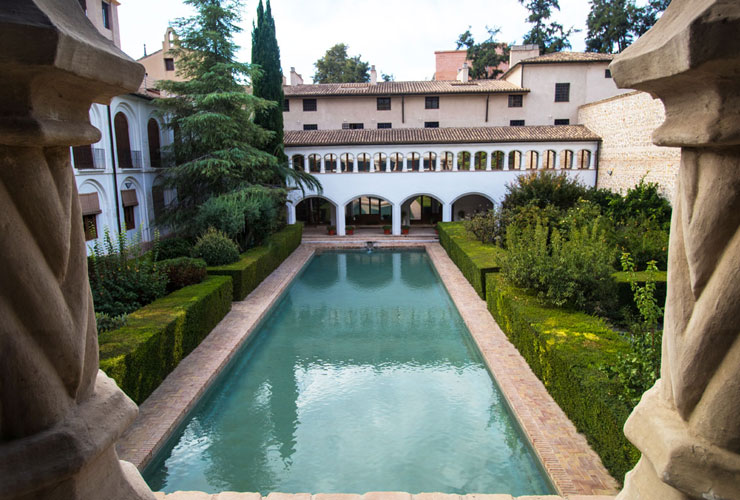
The Santa Clara Monastery and Museum is another site which you should visit while visiting the city. The monastery sits on the ruins of an Arabic palace and again, like the city itself, the building still has elements from this early Islamic period with art and archaeology from the time of al-Andalus.
Lorca
Just under an hour from Murcia is the town of Lorca, as you drive down the A-7 you’ll be greeted by the sight of Lorca castle, an imposing medieval fortress overlooking the town below.
Lorca is renown in Spain for its Holy Week processions known as the ‘Semana Santa de Lorca’. These are spectacular parades of chariots and characters clad in ornate gold and silk embroidery depicting famous bible stories.
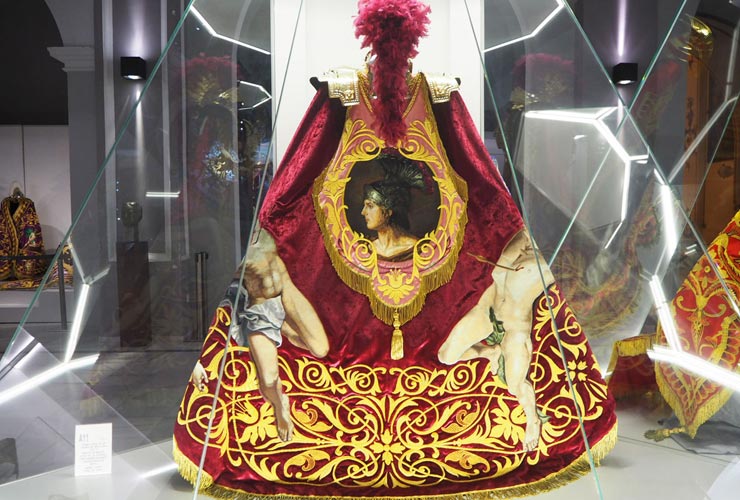
The two main Semana Santa brotherhoods who take part in the friendly rivalry are the blues and the whites, the Paso Blanco and Paso Azul. Thy both have museums in Lorca which display their embroidery from previous parades.
San Pedro Del Pinatar & The Mar Menor
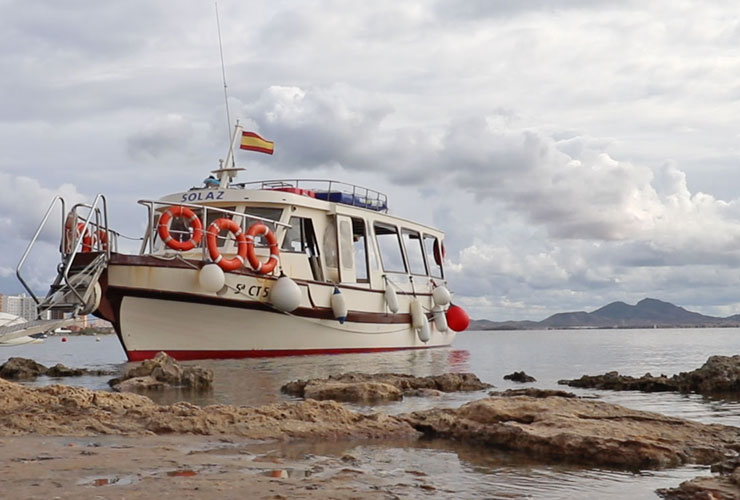
The Mar Menor has an area of nearly 170 km2 which makes it the biggest saltwater lake in Europe. It is lined with long sandy beaches and due to its shallow depth and sheltered location, the water gets very warm during the summer months.
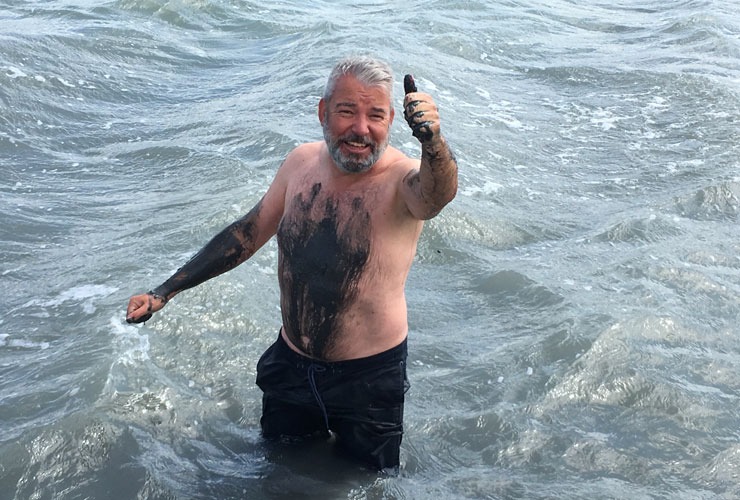
Apologies for the picture, it’s not the ‘Creature From The Black Lagoon‘.
The Mar Manor is also known for its mineral-rich mud which is meant to be good for arthritis and rheumatism relief and said to alleviate a number of skin conditions. Cover yourself in the mud at Los Baños del Lodo and let it bake in the sun for an hour or two before rinsing it off in the saltwater of the Mar Menor.
Calblanque Regional Park
Not far from the Mar Menor on the eastern end of Murcia’s Costa Cálida is Calblanque Regional Park. It is one of the few remaining undeveloped coastal areas with unspoilt beaches, coves and dunes, there are over 13km of coastline to discover. As well as being a popular spot for hiking and mountain biking it is also a popular spot with birdwatchers and has two dedicated observatories.
So Should You Visit Murcia?
If you want to drink Carling in a British pub and then do a bit of karaoke then although good fun, Murcia may not be your cup of tea. However, if you want to experience some genuine Spanish culture, get some hiking or mountain biking done or simply relax in the sun with some tapas and excellent local wine then Murcia is definitely for you.