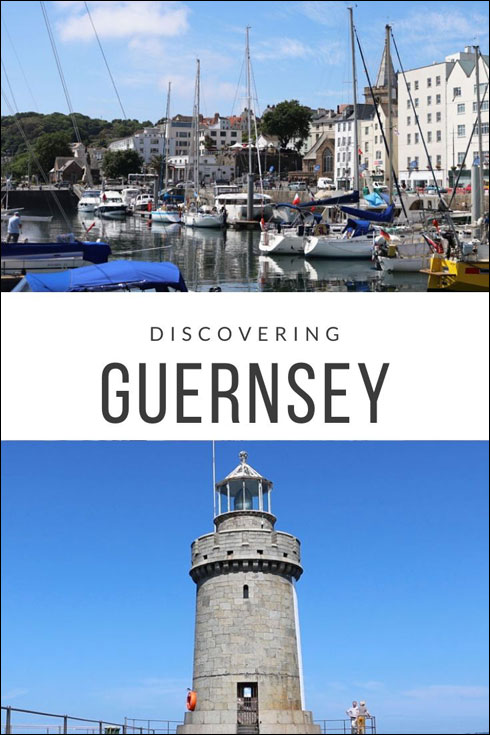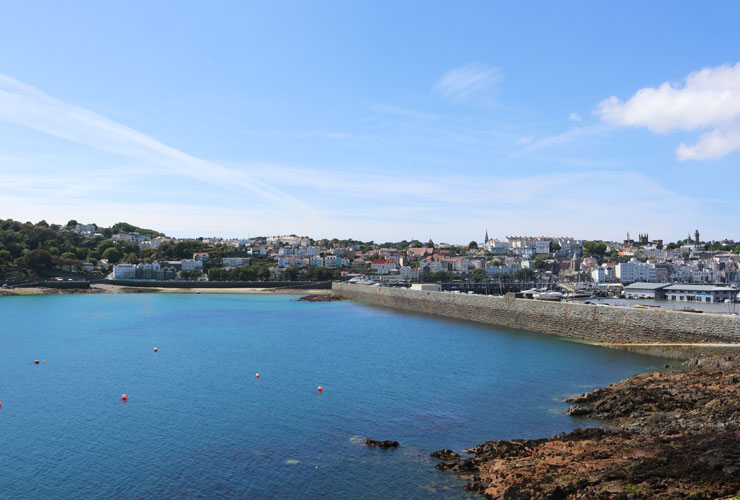
The pretty little island of Guernsey is the second largest of the Channel Islands. It lies 70 miles from the south coast of England and just 30 miles from the French coast. Although it does feel British, its close proximity to France give the island a distinctly Gallic flavour.
Guernsey is unique, it is part of the British Isles but not part of Great Britain, the UK or the EU. It actually forms part of the Bailiwick of Guernsey, a British Crown dependency, the origins of which can be traced back to the Duchy Of Normandy. The flag features the gold cross of the Duke of Normandy better known as William the Conquerer.
As you can tell by its origins, Guernsey has a very rich history, just one of the many reasons why you should visit Guernsey. If like us, you prefer a luxury experience when you travel then why not take a look at the exclusive Guernsey holidays available with Voyage Privé.
So l
Getting There
You can fly to Guernsey from over 10 UK airports, from London the flight time is only about an hour. Also, if you are not a fan of flying, just like Mrs W, there are a number of car ferry services available from the conventional ferry to the high-speed service which only takes 3 hours.
Explore St Peter Port
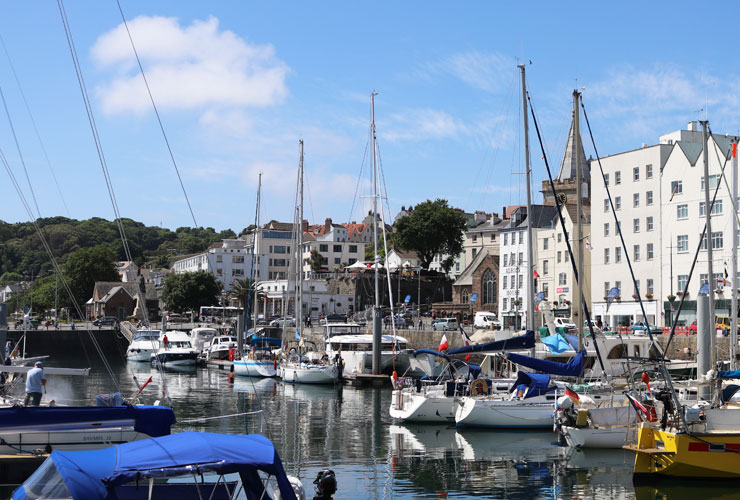
The best way to explore St Peter Port, the capital of Guernsey, is to walk. Stroll through the town and along the picturesque seafront. Near the ferry terminal, you’ll find the granite monument which commemorates the liberation of Guernsey from the German occupying forces. Guernsey was occupied from 1940 up until 9 May 1945.

Not far from the harbour you can find the 19th-century home of the French writer Victor Hugo. He was living in exile on Guernsey after criticising Napoleon III and it was here where he wrote Les Misérables.
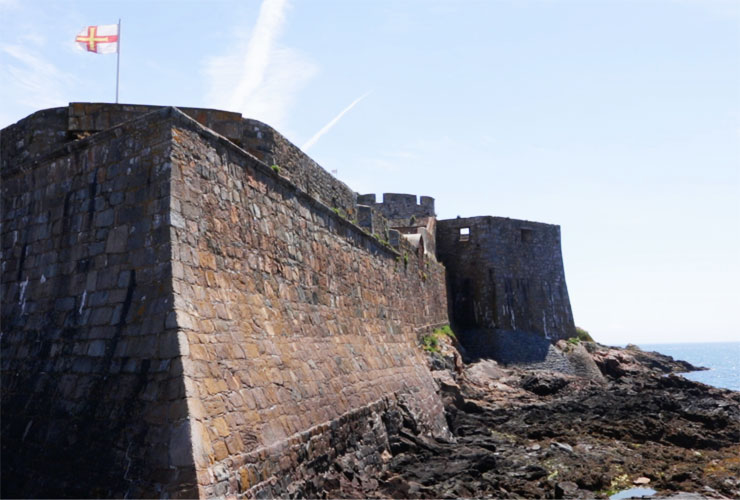
Castle Cornet is a fascinating building which has been reused over the centuries from its construction in the 13th-century up until the Nazi occupation. The castle offers daily guided tours, five museums and beautiful period gardens.
The Beaches And Coastline

You’ll find a range of beaches around Guernsey, from tranquil secluded coves such as Petit Bot Bay to sandy family-friendly beaches like L’Eree and Grandes Rocques Beach.
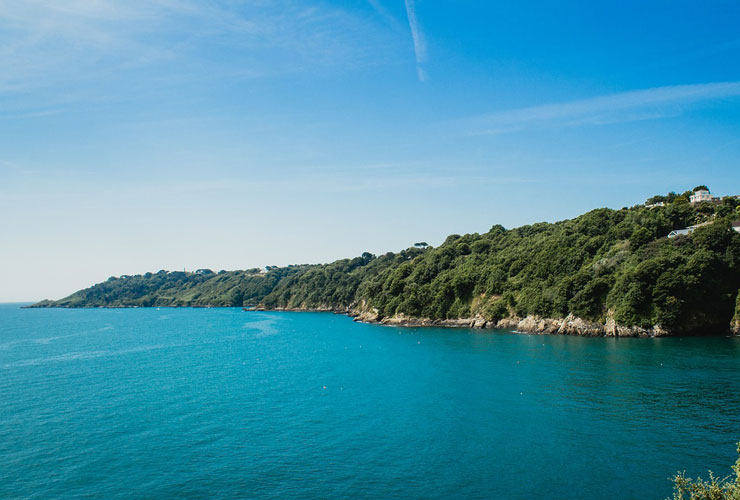
One of the best ways to explore the beautiful Guernsey coastline is by walking. As well as many other festivals Guresney holds a walking festival usually in the Spring and Autumn. See what’s on in Guernsey.
The History
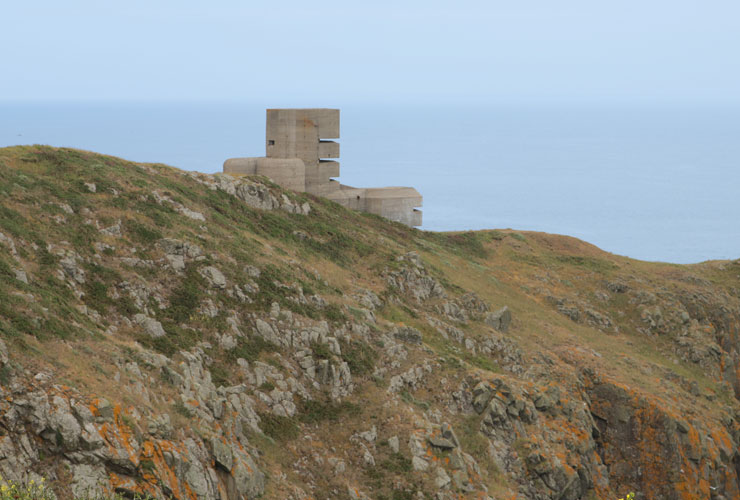
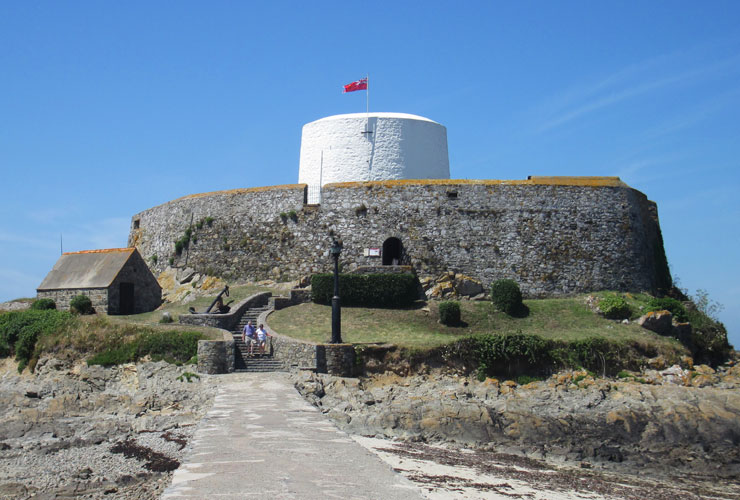
Guernsey has a long and fascinating history ranging from Neolithic graves to sunken Roman ships, Napoleonic Martello towers to Gerrman artillery batteries. Throughout history, Guernsey has been a strategically important island.
The German Military Underground Hospital, St Andrews, is the largest structural reminder of the German Occupation. It contains a vast maze of tunnels under the quiet Guernsey countryside.
The Food And Drink

From little beach cafés and harbourside bistros to the full fine dining experience, there isn’t a shortage of excellent food and places to eat. Due to its isolated location, the Channel Islands have a long history of self-sufficiency, fresh homegrown food and locally caught seafood.
There are some very good local breweries on the island and of course, some artisanal gin makers. The local cider is also pretty tasty and makes a perfect accompaniment to a lazy sunny island afternoon.
So if you haven’t tried Guernsey yet we highly recommend giving it a try. Coming from the UK you’ll be surprised how strangely familiar yet different it is.